
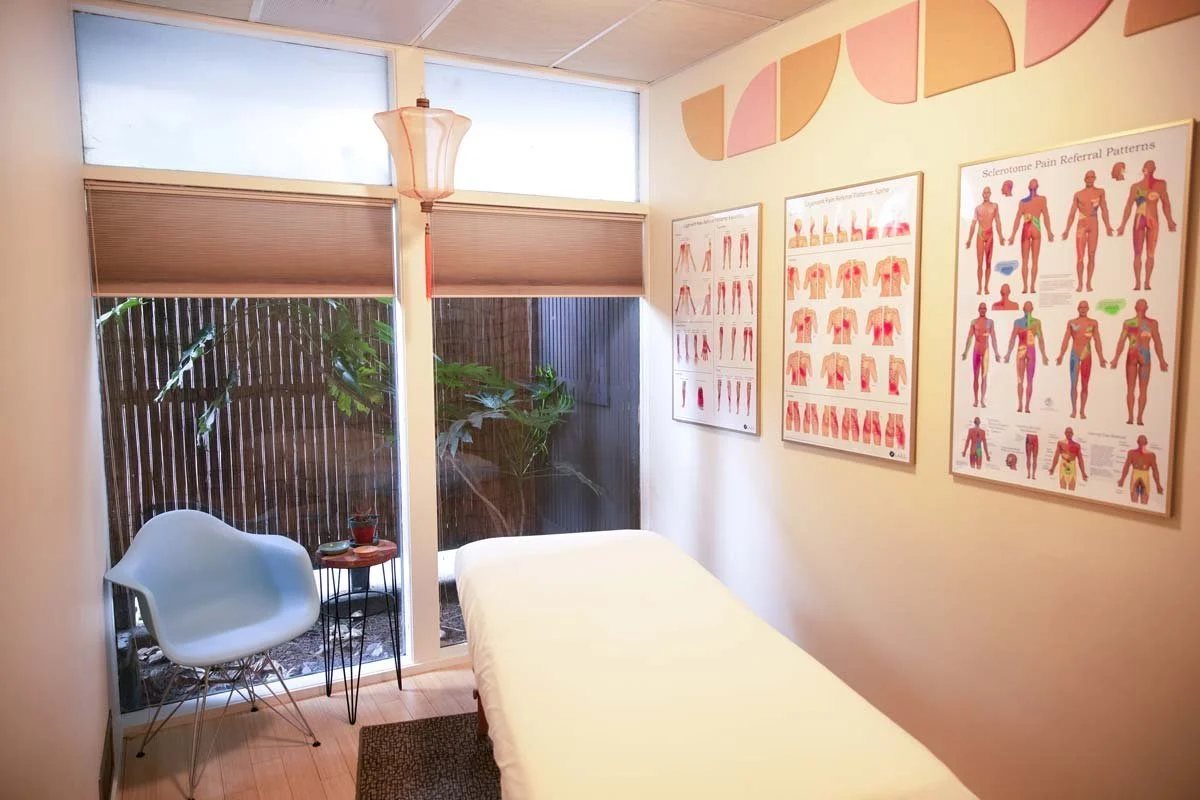
Acupuncture
A well-researched therapy for pain, nervous system regulation, and whole-body support.
Acupuncture is one of the most studied integrative therapies available, with a clinical record spanning thousands of years and a growing body of modern research. At Current Wellness, it's applied with the same precision and individualization as every other modality, calibrated to your specific condition, history, and treatment goals.
How it Works
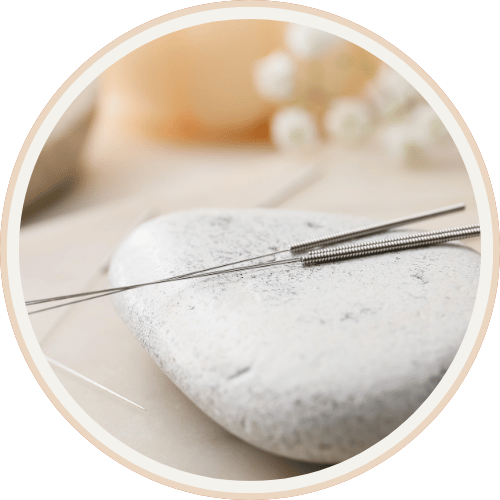
Fine, sterile needles are inserted at specific points along the body's meridian pathways to restore the smooth flow of qi (vital energy) and activate the body's own regulatory systems. From a modern physiological standpoint, acupuncture stimulates the nervous system, reduces inflammatory markers, improves circulation, and prompts the release of endogenous pain-relieving compounds.
The two frameworks, classical and contemporary, aren't in conflict. They describe the same phenomenon from different vantage points. Jennifer draws on both to inform where she places needles and why.
What to Expect
After a thorough intake, you'll lie comfortably on the treatment table while needles are placed at relevant points. Most patients feel little to nothing during insertion. What follows is typically 20 to 40 minutes of rest while the treatment works. Many patients fall asleep.
Sessions run 60 to 90 minutes for new patients, shorter for established patients depending on what's being addressed. Acute conditions may respond in a few sessions. Chronic or complex conditions generally benefit from a series of treatments over several weeks, with progress reassessed regularly.
Common questions about acupuncture are answered below.
Conditions acupuncture is commonly used for:
Acute and chronic pain
Migraines and headaches
Nerve pain and neuropathy
Disc herniations and spinal conditions
Post-surgical recovery
Fibromyalgia and central sensitization
Hormonal imbalance and menopause
Fertility support
Digestive complaints
Autoimmune and inflammatory conditions
Anxiety and stress-related patterns
Fatigue and adrenal dysregulation
This list isn't exhaustive. If you have a condition not listed here, reach out and Jennifer can help you understand whether acupuncture is appropriate for your situation.

Acupuncture at Current Wellness
Acupuncture rarely works in isolation. Jennifer often combines it with FSM, manual therapy, herbal medicine, and targeted supplementation based on what your health calls for. The sequencing matters: acupuncture opens pathways, FSM addresses tissue-level inflammation, and natural therapeutics support the internal environment where healing actually happens.
For patients with complex or chronic conditions, this layered approach consistently produces outcomes that a single modality doesn't.
QUESTIONS & RESOURCES
Acupuncture: Common Questions
Answers to the questions people ask most, and other helpful resources.
-
Most people feel very little during needle insertion. Acupuncture needles are hair-thin -- nothing like a blood draw or injection. You may feel a mild ache, warmth, or heaviness at certain points, which is a normal sign of tissue response. Most patients find sessions deeply relaxing.
-
No. Acupuncture works through physiological mechanisms -- nerve signaling, fascial response, connective tissue effects -- not through belief or placebo alone. Research increasingly supports its role in pain modulation, nervous system regulation, and inflammation reduction.
-
Acupuncture at Current Wellness NW addresses a wide range: acute and chronic pain, disc herniations, nerve pain, athletic injuries, fertility support, hormonal and menopausal symptoms, digestive complaints, autoimmune conditions, post-surgical recovery, and chronic illness. Jennifer's approach tends toward root-cause treatment rather than symptom management alone.
Want to find out if acupuncture can help you?
The first step is a conversation. Jennifer will review your history and help you understand what treatment might look like.